Applied workflow · Photo to 3D
Three views.
One real-time object.
A repeatable workflow aligns front, side, and back product images, projects them onto procedural geometry, builds PBR surface detail, and exports a browser-ready GLB.
Public demo asset: an unbranded, generated purple / green / coral basketball.
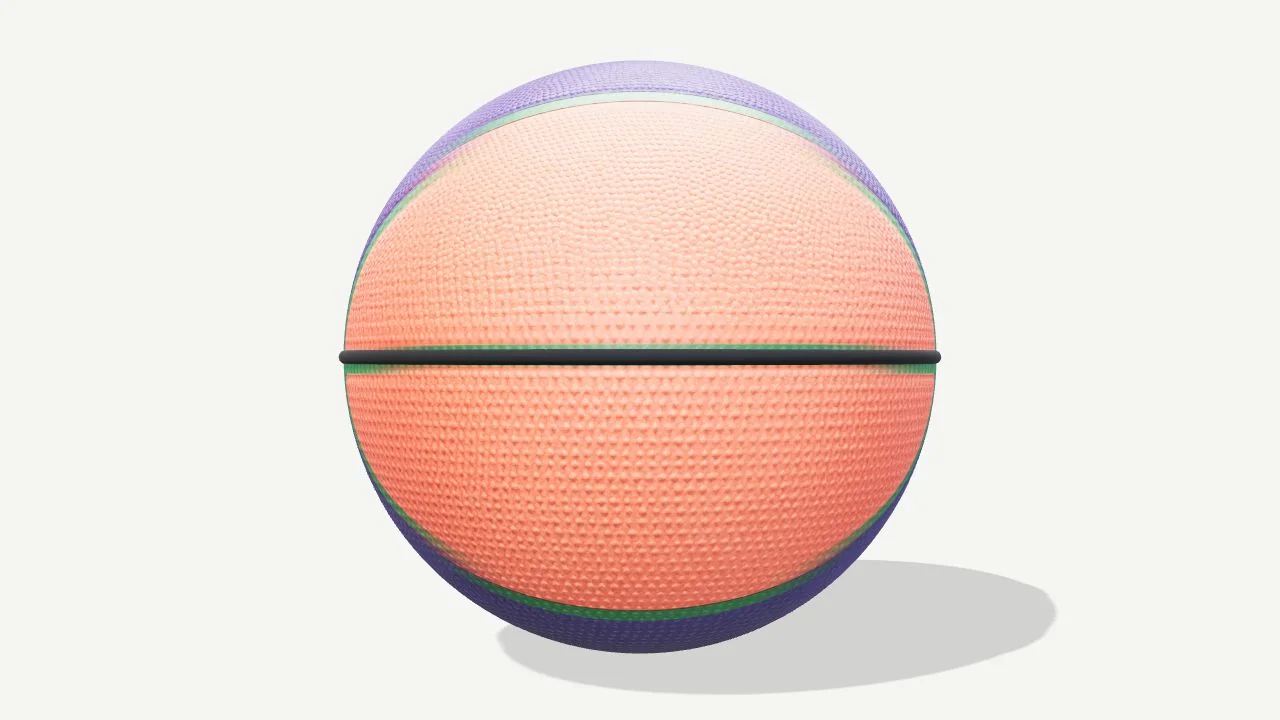
01 · Inputs
The workflow starts with evidence, not a prompt alone.
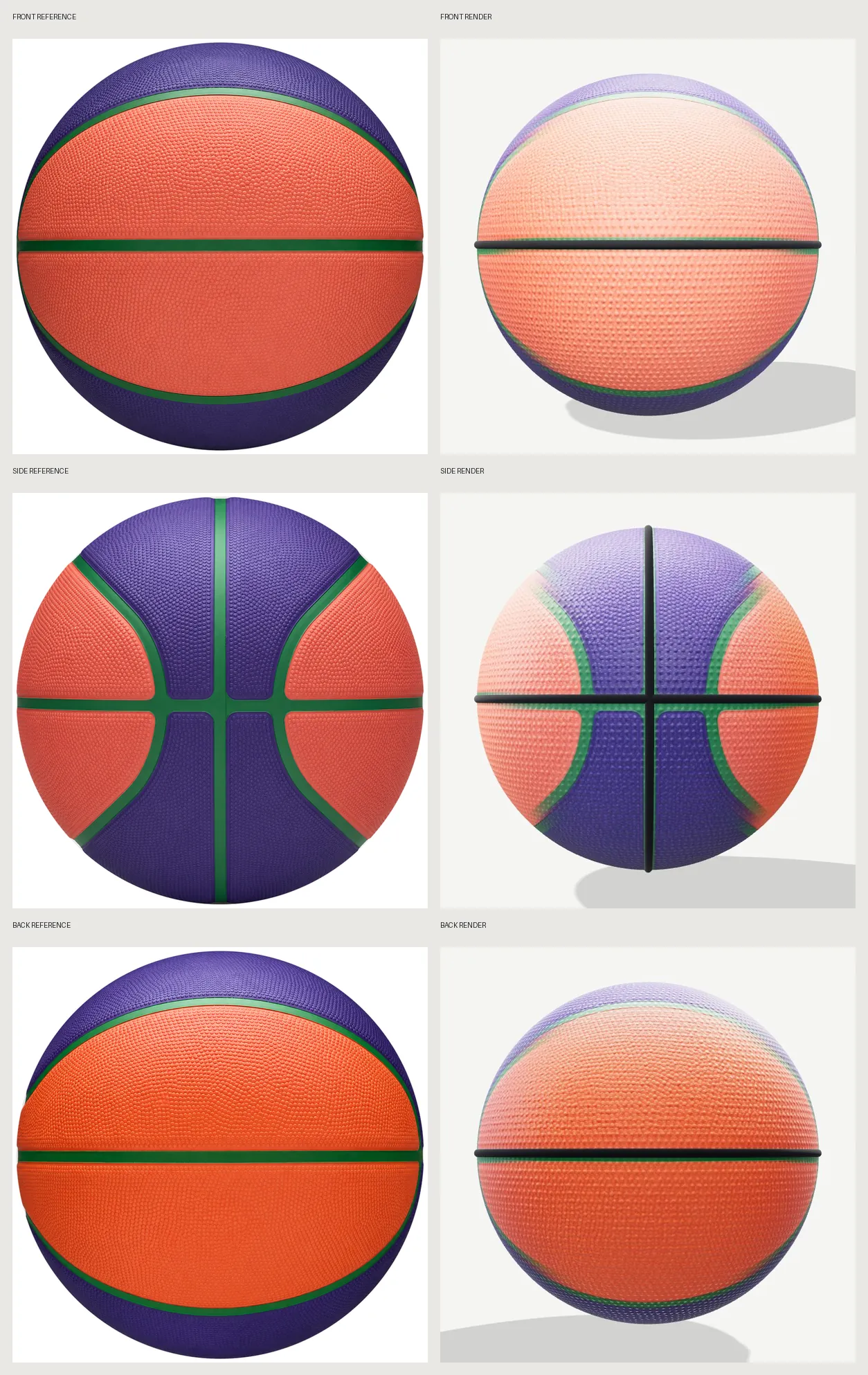
Each view contributes different surface regions. The pipeline normalizes the crop, aligns the ball, records view direction, and preserves the seams needed to judge projection quality.
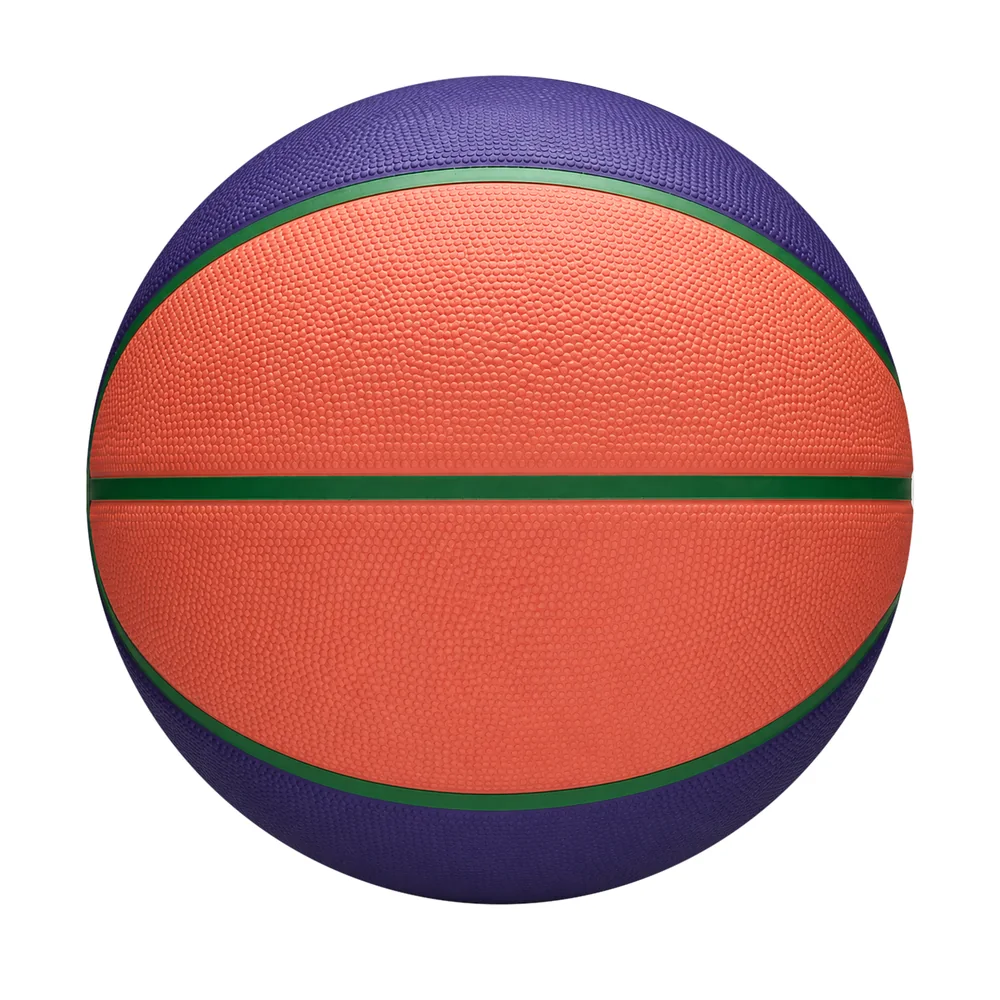
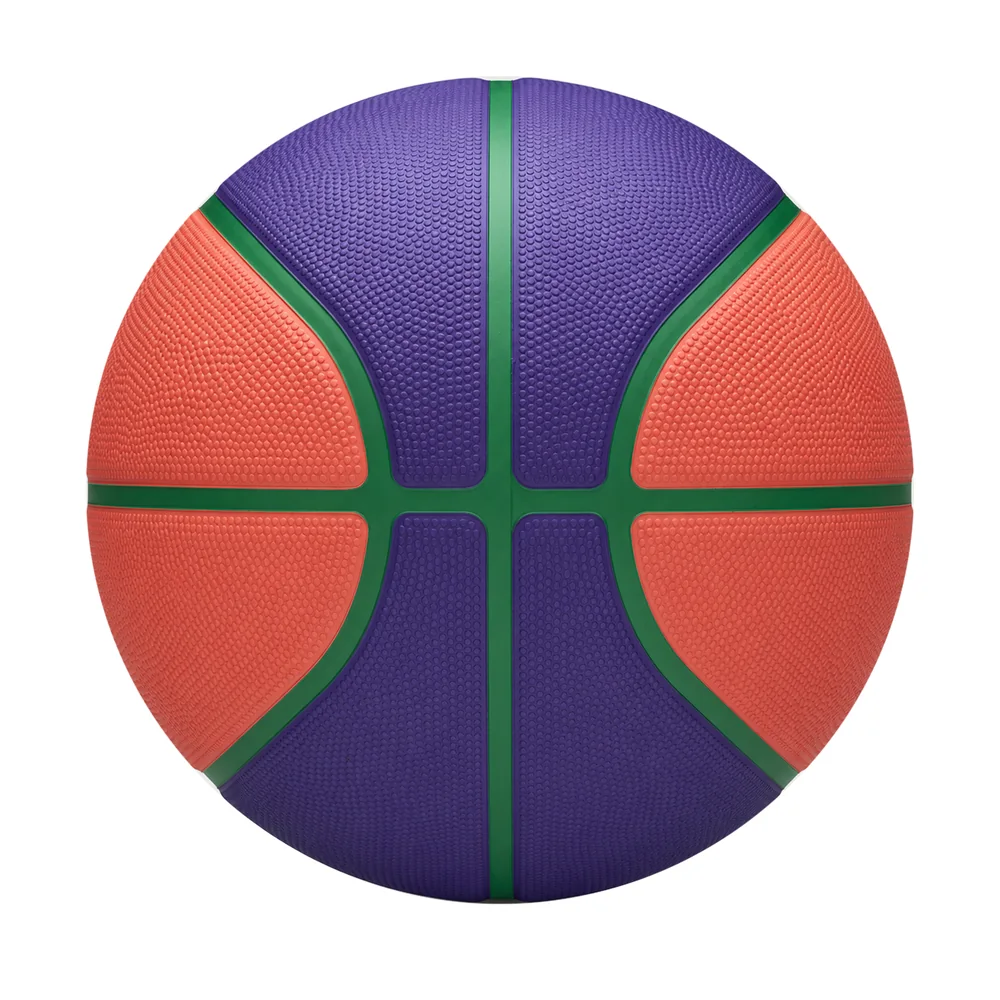
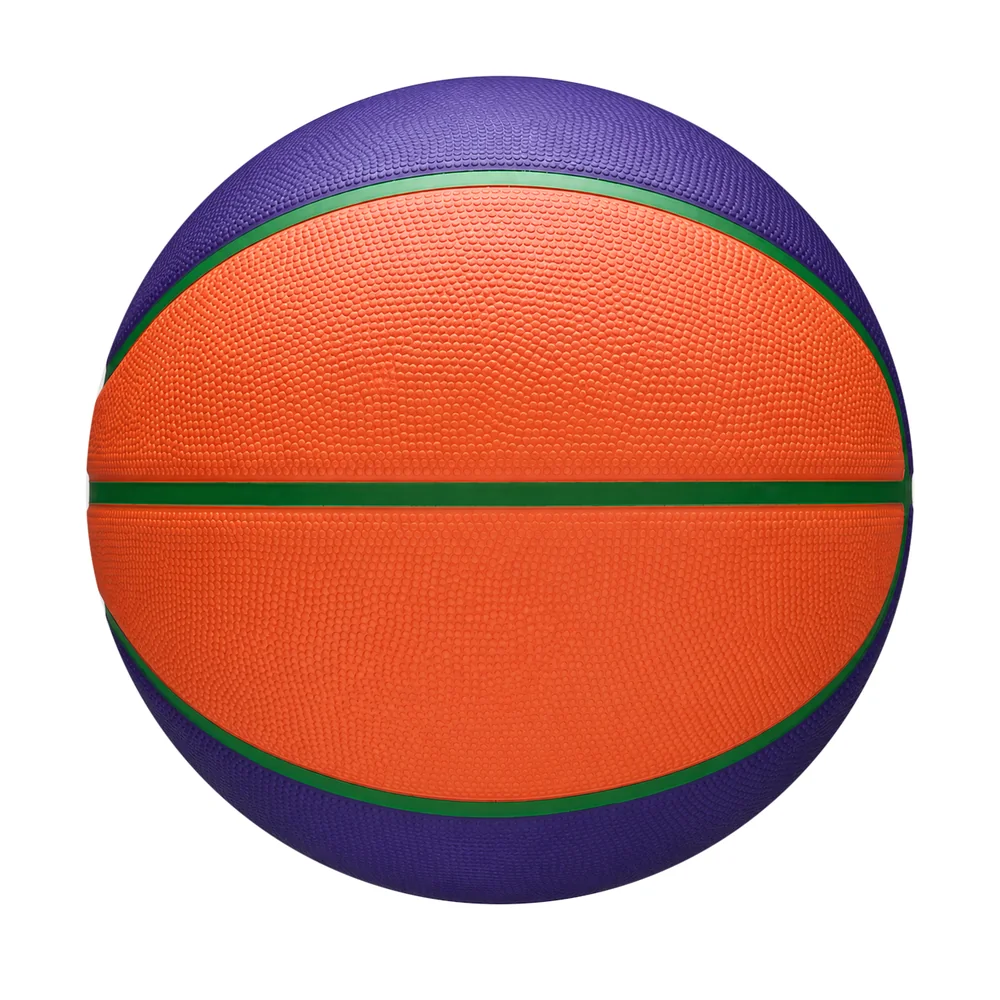
02 · Reconstruction pipeline
Five explicit stages turn pictures into a deliverable.
Align
Remove background influence, normalize scale, and register the three supplied views.
Project
Blend view-dependent color across spherical UV space while keeping the observed regions dominant.
Material
Generate albedo, roughness, normal, AO, channels, and pebble relief as separate controls.
Validate
Render front, side, and back comparisons, then record scores, performance, and known inference.
Export
Package the viewer and a verified GLB with deterministic metrics and a pipeline report.
03 · Standardization
The expensive part was inventing the workflow once.
The first reconstruction established geometry, projection, PBR, viewer, GLB, and QA decisions. Those decisions were then captured as the reusable Three-View Basketball Builder Skill.
INPUTFront + side + back images
PRESETdraft / balanced / high
GATESThree-view QA + GLB validation
OUTPUTViewer + GLB + timing + report
04 · Practical A/B test
Once the method was fixed, execution became dramatically cheaper.
A second task used new images, a new output folder, the standardized Skill, and a lower-cost model setting. It preserved the visual result while reducing time and monthly allowance usage.
| Metric | Exploratory run | Standardized run |
|---|---|---|
| Workflow role | Method development | Fixed-pipeline execution |
| Total time | ~34 min | 339.63 sec |
| Monthly allowance observed | ~3% | <1% |
| Allowance opportunity cost | ~US$3 | <US$1 |
| Rendered triangles | 122,208 | 48,864 |
| Local runtime | 60 FPS / 7 draws | 60 FPS / 7 draws |
05 · Interactive deliverable
Inspect the public reconstruction in real time.
Drag to rotate, switch fixed views, inspect surface detail, or download the validated GLB. The opposite side and poles remain inferred.
06 · Quality evidence
The public demo is useful—and it did not pass every visual gate.
Build, GLB, and runtime checks passed. The automated three-view review did not: pole blending and brighter render exposure reduced similarity. Publishing the scores keeps the demo honest and makes the next improvement measurable.
Visual review: below configured thresholds · Demo acceptance: approved
07 · Limitations and rights
A visual product model is not a manufacturing scan.
Uncalibrated capture
Three product images do not provide camera calibration or complete turntable coverage.
Inferred regions
The unseen lateral side and both poles are blended or mirrored at lower confidence.
Texture is not geometry
PBR pebble detail improves light response but does not automatically become printable physical relief.
Public asset boundary
This page and download use only the unbranded generated TEST4 asset prepared for public demonstration.
Workflow result
Standardize judgment once. Reuse it at execution speed.
The complete technical record remains in a private archive. This public case exposes the method, evidence, limits, interactive viewer, and authorized GLB without publishing private source material.